Oct 14, 2026Procurement and Logistics Guide
How to Get GCC Toy Certification: Requirements, G-Mark & Import Process
Complete guide to GCC certification for toys. Learn G-mark requirements, safety testing, labeling rules, and import process for 6 Gulf countries. Source compliant toys from China.
GCC Certification for Toys: Complete Guide for Importers & Wholesalers
The Gulf Cooperation Council (GCC) region stands as one of the fastest-growing toy markets worldwide, fueled by rising household spending, a fast-growing young population, and expanding retail networks across Saudi Arabia, the UAE, Kuwait, Qatar, Bahrain, and Oman. Demand for educational toys,STEM toys, and licensed character products continues to surge, driving more importers and wholesalers to source toys from China to serve the region.
However, entering the GCC toy market goes beyond selecting trending products. Non-compliant items, incorrect labeling, or missing documentation can result in lengthy customs delays, unexpected fines, or even full shipment rejection. This guide breaks down everything toy buyers need to know about GCC certification, from safety requirements to the full import process, helping you streamline compliance and reduce sourcing risks.
What Is GCC Certification for Toys?
GCC certification is a regional product safety scheme established by the Gulf Standardization Organization (GSO) under the Technical Regulation for Children’s Toys (BD-131704-01) .
It sets uniform safety requirements for toys sold across all six GCC member states, replacing individual country regulations to create a single market entry standard.
Products that meet GCC requirements are marked with the G-Mark (Gulf Conformity Mark), which is recognized across all member countries. While individual nations may impose additional import administrative procedures, the core safety and certification standards are consistent across the region.
Why Is GCC Certification Important for Toy Importers?
GCC certification is not just a regulatory formality—it is a foundational requirement for successful and sustainable market entry in the Gulf.
First, it ensures legal compliance: selling uncertified children’s toys violates regional regulations and can result in product recalls, financial penalties, or market access restrictions. Second, it drastically improves customs clearance efficiency: shipments with full, valid certification documentation face fewer inspections and faster release. Third, it builds trust with retailers and distributors: Gulf partners prioritize suppliers with a proven track record of GCC compliance to avoid supply chain disruptions.
For wholesalers, distributors, and private label brands, consistent compliance also strengthens brand credibility and supports long-term customer retention across multiple GCC markets.
Which Toys Require GCC Certification?
Virtually all products designed or intended for play by children under 14 years of age require GCC certification before they can be legally imported into any GCC member state.
Common covered categories include:
- Educational toys and STEM kits
- Plastic building blocks and construction toys
- Baby toys and infant activity products
- Outdoor play equipment and ride-on toys
- Dolls, plush toys, and action figures
A small number of products are exempt, such as handmade craft toys, playground equipment intended for public use, and toy vehicles licensed for road use. As a best practice, always confirm certification requirements for your specific product line before starting production.
What Are the Main GCC Requirements for Toys?
Product Safety Testing Standards
All toys must undergo safety testing by a GSO-accredited third-party laboratory. Core test items include mechanical and physical safety (small parts, sharp edges, impact resistance, and tensile strength), flammability testing, chemical substance testing (heavy metals, phthalates, and other restricted materials), and electrical safety testing for battery-operated and electronic toys.
Many Chinese manufacturers produce toys that meet international standards such as EN71 and ASTM F963, but GCC has specific threshold and testing requirements. Verifying alignment with GCC standards early in product development is far more cost-effective than redesigning after mass production.
Product Labeling & G-Mark Requirements
Correct packaging and labeling is a critical compliance step that is often overlooked. Even safety-compliant products can be delayed at customs if labeling is incomplete or incorrect.
Required labeling elements include product name, manufacturer or importer contact details, recommended age grading, clear safety warnings, country of origin, and the G-Mark logo applied in a visible, permanent position. For most GCC markets, safety warnings and age recommendations must also be provided in Arabic. For private label products, always review packaging artwork before production to avoid costly rework.
Mandatory Technical Documentation
Importers must maintain a complete set of technical documentation to demonstrate compliance, which may be requested by customs authorities or market surveillance bodies. Required documents include product specifications, third-party test reports, the Declaration of Conformity, user instructions, and manufacturing process information. Keeping these documents organized and accessible before shipment speeds up customs clearance and reduces audit risks.
How to Import GCC-Compliant Toys from China
Step 1: Choose an Experienced GCC-Compliant Toy Manufacturer
The foundation of smooth certification is working with a supplier that has proven experience exporting to GCC markets. An experienced manufacturer does more than produce toys—they can advise on material selection, review product designs for compliance, plan packaging requirements, and support export documentation preparation.
Sourcing from a single supplier with a broad product portfolio also simplifies supply chain management, as you can source multiple product lines with consistent certification standards.
Step 2: Confirm Compliance Details Before Mass Production
Most certification failures originate in the product design stage, not manufacturing. Before production begins, confirm all compliance details including raw material specifications, structural safety design, packaging layout, warning labels, and age grading.
For https://inluvtoys.com/custom-solution OEM and ODM projects, work closely with your supplier to conduct a full compliance review of specifications, packaging, and branding. Addressing small issues at this stage avoids expensive and time-consuming modifications after production is complete.
Step 3: Complete GSO-Accredited Lab Testing
Once production samples are ready, testing must be conducted by a laboratory accredited by GSO. Your manufacturer should provide production samples, supply full product specifications, coordinate with the testing lab, and communicate progress throughout the process.
Working with an experienced supplier reduces the risk of incomplete test submissions and helps resolve any issues that arise during testing faster.
Step 4: Prepare Full Set of Export Documentation
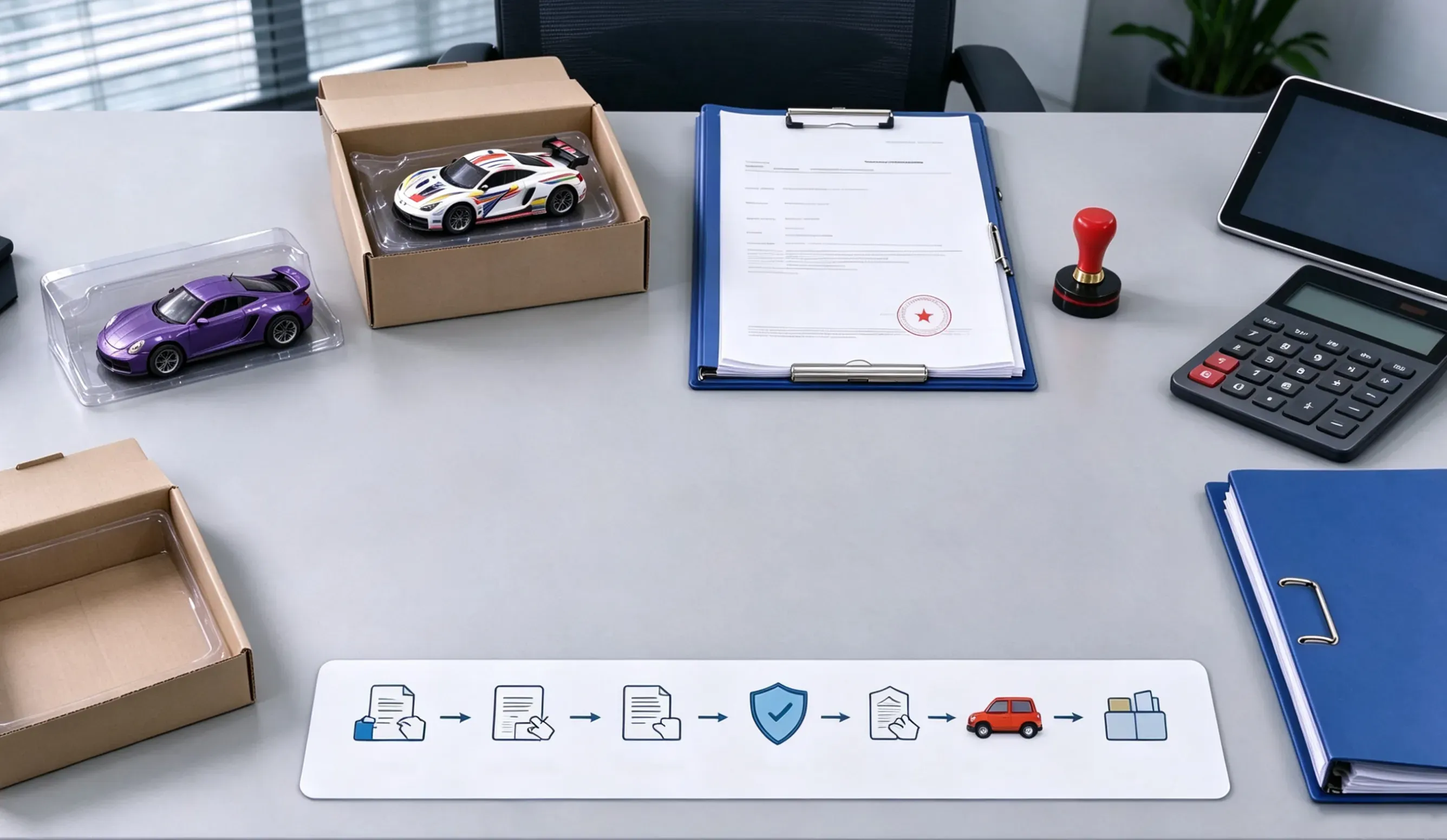
Before shipment, verify that all required export and compliance documents are prepared and accurate. These typically include commercial invoice, packing list, Certificate of Origin, product specifications, test reports, Declaration of Conformity, and shipping documents.
An experienced export-focused manufacturer will assist with preparing all manufacturing-related documentation and coordinate with you to ensure a complete document package.
Step 5: Pre-Shipment Inspection & Shipment Arrangement
The final stage includes pre-shipment quality inspection, packaging and labeling verification, container loading, and shipment scheduling. Reliable production planning and organized shipment coordination are especially critical for seasonal peak periods, helping you avoid delays and maintain consistent inventory levels.
Common GCC Certification Mistakes Toy Buyers Should Avoid
Even experienced importers can run into compliance issues. The most common avoidable mistakes include: choosing a supplier with no GCC export experience; waiting until after mass production to start certification testing; ignoring packaging and labeling requirements; submitting incomplete technical documentation; and assuming all toy categories have identical certification requirements.
How [Your Brand] Helps You Meet GCC Toy Certification Requirements
At [Your Brand], we integrate GCC compliance into every stage of the sourcing process, from product development to final shipment, rather than treating it as a last-minute task.
During product development, we work closely with clients on OEM and ODM projects to review specifications, packaging, labeling, and branding before manufacturing begins. Throughout production, our structured quality control processes ensure consistent compliance across bulk orders. We also provide full manufacturing documentation, coordinate with GSO-accredited testing labs, and support you through every step of export preparation.
With a wide portfolio of GCC-compliant toys including educational, STEM, RC, and outdoor products, we provide scalable manufacturing solutions that support both compliance and long-term business growth in Gulf markets.
Final Checklist Before Shipping Toys to GCC Countries
Before your shipment departs, confirm all items on this list:
✅ Product line is suitable for target GCC market demand
✅ Compliance requirements verified and locked before production
✅ Products passed GSO-accredited laboratory safety testing
✅ Product labels, G-Mark, and warnings meet regional requirements
✅ Full technical and export documentation prepared and verified
✅ Pre-shipment quality and compliance inspection completed
✅ Shipping schedules and customs documentation confirmed
Conclusion
Exporting toys to GCC countries requires more than competitive pricing—it requires a thorough understanding of regional safety regulations, accurate documentation, and a manufacturing partner that knows international compliance inside out.
Successful importers treat compliance as a continuous process across product development, production, and export preparation, not a final checkbox before shipment. By partnering with an experienced toy manufacturer with full GCC compliance support, you can enter Gulf markets with greater confidence, fewer disruptions, and stronger long-term growth potential.
Frequently Asked Questions
Q: Which countries require GCC certification for toys?
A: GCC certification is recognized and required across all six member states: Saudi Arabia, the United Arab Emirates (UAE), Kuwait, Qatar, Bahrain, and Oman.
Q: Is GCC certification mandatory for all children’s toys?
A: Yes, nearly all toys designed for children under 14 years old require GCC certification and a valid G-Mark to be legally imported and sold in GCC countries.
Q: What documents are required for toy customs clearance in GCC countries?
A: Common required documents include commercial invoice, packing list, Certificate of Origin, product test reports, Declaration of Conformity, and product specifications.
Q: Can Chinese toy manufacturers help with GCC certification?
A: Yes. Experienced export-focused Chinese toy manufacturers can support certification by providing product specifications, coordinating testing with accredited labs, preparing manufacturing documentation, and guiding you through the full process.
Q: How long does GCC toy certification usually take?
A: Standard certification timeline is 2–4 weeks from sample submission, depending on product complexity and testing requirements. This does not include production time.
Website: www.inluvtoys.com
Email: henry@inluvtoys.com
Phone / WhatsApp / WeChat: +86-13411918746