
Procurement and Logistics Guide
How to Choose Wooden vs Plastic Toys as an Importer?
Compare wooden vs plastic pretend play toys on durability, cleaning, cost, and safety compliance—a sourcing guide for toy importers and wholesalers.
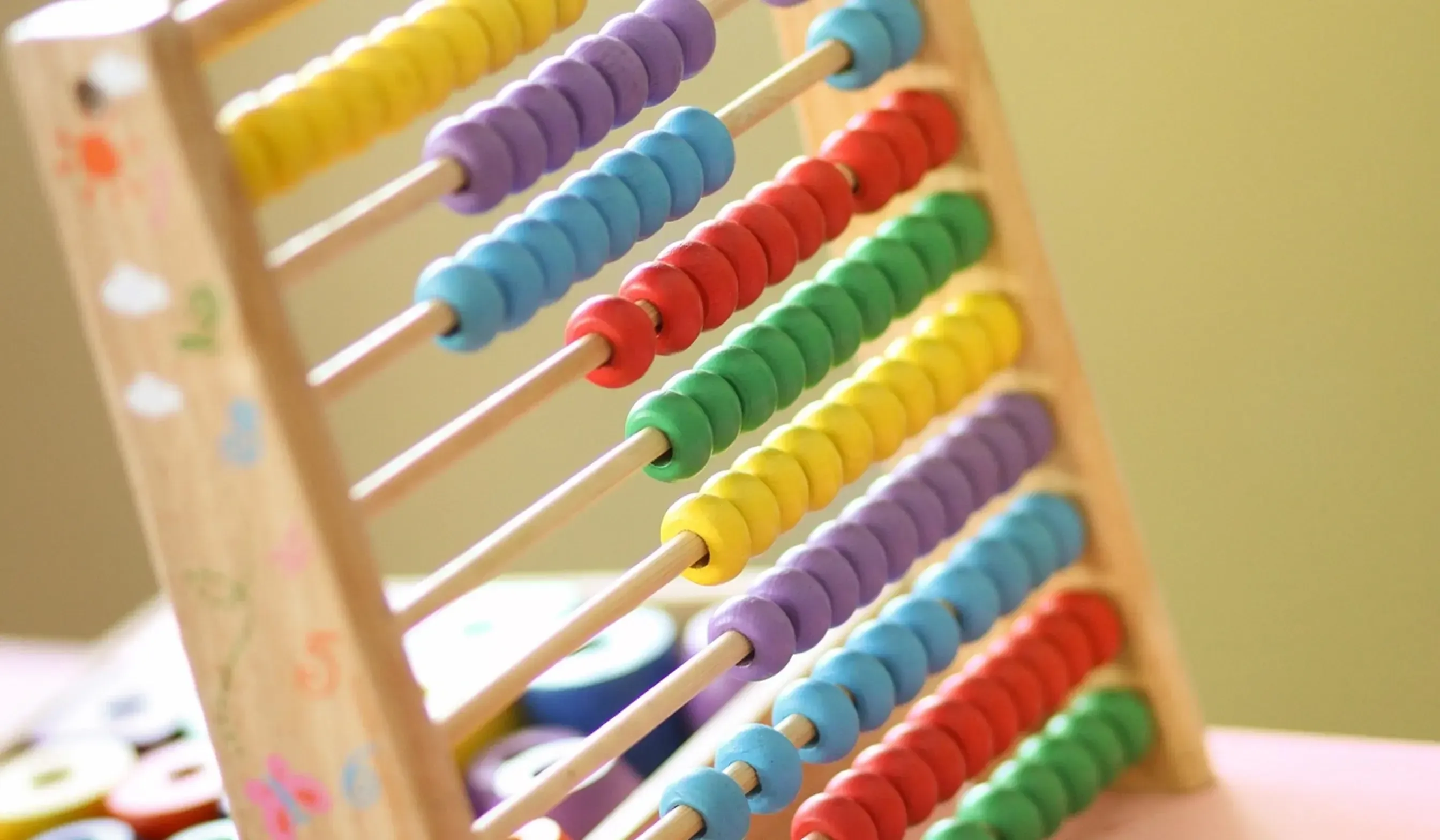
Wooden and plastic pretend play toys both sell well, but they are not interchangeable in a wholesale assortment. Kitchen sets, toy food, doctor kits, tool sets, and dollhouse accessories each behave differently depending on the material—and the differences show up not just in play value, but in compliance testing, landed cost, and return rates.
There is no universal "better" material. The right call depends on the intended product, the age grading, the destination market, and how the set will be cleaned and maintained. For importers and distributors, the useful question is not "which is nicer" but "which material fits this SKU, this market, and this margin."
What Actually Differs: Material Properties, Not Quality Labels
Wood: Solid Wood, Plywood, and Engineered Wood. Wooden pretend play toys are typically built from solid wood, plywood, or engineered board. They suit play kitchens, dollhouse furniture, and toy food where a stable structure and natural finish carry the product.
Plastic: Resin Grade, Molding, and Additives. Plastic items are molded from different resin grades, which allows complex shapes, multiple colors, and lightweight components—common in doctor kits, toy tools, and cash registers. What matters to a buyer is the resin grade, the additive package, and the molding quality, not the word "plastic."
Neither material guarantees quality or safety. Performance comes from material grade, surface treatment, structural design, and factory quality control. A well-made plastic item will outlast a poorly jointed wooden one every time.
Side-by-Side Comparison for Buyers
Factor | Wooden | Plastic | What it means for sourcing |
|---|---|---|---|
Weight / freight | Heavier, more solid | Lighter | Wood raises volumetric and weight-based freight cost |
Durability | Long-lived if joints and finish hold | Durable, but can crack under impact | Ask for drop/impact test results either way |
Cleaning | Moisture-sensitive, needs care | Usually wipeable | Matters for preschool and shared-play channels |
Design flexibility | Simple, structured shapes | Complex shapes, fine detail | Drives which categories each material fits |
Compliance focus | Coatings, heavy metals, splinters | Lead, phthalates, small parts | Different test scope, different cost |
Unit cost / MOQ | Often higher, tooling-light | Tooling-heavy, lower per unit at volume | Model total landed cost, not piece price |
These are tendencies, not guarantees. Treat them as a checklist for supplier conversations, not as a verdict on a catalog photo.
Where Wooden Pretend Play Toys Make Sense
Stable Structures and Tactile Play Value. Wooden play kitchens, dollhouse furniture, and storage pieces hold their shape under repeated handling. That makes them a solid fit for products meant to stay in one play area and be reused across seasons.
Natural Aesthetics and Premium Positioning. Natural grain and a solid feel support a more premium shelf position, which can protect margin in channels where buyers compete on differentiation rather than price.
Watch the Failure Points: Splinters, Joints, Coatings. Wood-specific risks are concrete: rough edges and exposed fibers, loosening joints and handles, cracks, and surface finishes. Require defined surface-finish specs, joint-strength checks, and a pre-shipment inspection that looks for splinters—not just a general AQL count.
Where Plastic Pretend Play Toys Make Sense
Lightweight Handling and Detailed Shapes. Molding lets suppliers produce recognizable accessories—stethoscopes, utensils, toy food—at low weight, which suits kits with many small components.
Cleaning, Portability, and Multi-Piece Kits. Plastic accessories are generally easier to wipe down and easier for younger users to carry, which is why portable doctor and tool kits skew plastic. Note that electronic or battery-containing pieces need specific cleaning instructions and cannot be treated as washable.
Watch the Failure Points: Additives, Brittle Edges, Small Parts. Plastic-specific risks sit in the material itself: additives and plasticizers, sharp broken edges after impact, weak connection points, and detachable small parts. Confirm the resin and additive package in the BOM before sampling.
Which Material Fits Which Pretend Play Set?
Pretend play category | Practical material choice | Why |
|---|---|---|
Kitchen sets | Wood for cabinets; plastic for utensils and food | Stability where it matters, detail and light weight where it helps |
Doctor / medical kits | Mostly plastic | Lightweight, recognizable, many small components |
Dollhouses | Wood for structure and furniture; plastic for detail | Different components, different requirements |
Tool sets | Plastic handhelds; wood for selected larger parts | Balance of handling and solid feel |
Toy food | Both | Wood for tactile feel; plastic for color and shape variety |
Mixed-material sets are usually the commercially sensible answer—provided you treat each component as its own compliance item.
The sourcing economics differ too. Plastic components generally need molded tooling up front, which only pays back at volume, but the per-unit price falls once the tool is amortized. Wooden items are tooling-light, so they suit smaller runs and private-label trials—yet their weight raises freight cost and their finishing is labor-intensive, which shows up in unit price and lead time. For a mixed set, expect two supply streams, two sample rounds, and two inspection scopes; build that into the schedule instead of treating the set as one order. Ask suppliers to quote the component breakdown, MOQ per material, and sample lead time separately, so the real cost structure is visible before you commit.
Safety & Compliance: The Differences Buyers Actually Pay For
This is the part a material comparison cannot skip, because wood and plastic fail in different places.
Wooden Toys: Coatings, Heavy Metals, and Wood Sourcing. Paint and surface treatments are the main chemical risk on wooden items. In the EU, EN 71-3, published through CEN, limits the migration of elements from coatings and materials, so a wooden toy with colorful paint needs the same migration testing as any other surface. Buyers positioning wooden lines on sustainability also commonly request FSC chain-of-custody documentation to substantiate the wood source—an unverifiable "eco" claim is a liability, not a selling point.
Plastic Toys: Lead, Phthalates, and the U.S. Rulebook. For the U.S., ASTM F963-23 is the mandatory toy safety standard, incorporated into federal law at 16 CFR Part 1250 (effective April 2024, replacing F963-17). Alongside it, CPSIA limits total lead in accessible parts to 100 ppm and lead in surface coatings to 90 ppm, and restricts eight phthalates at 0.1% each. The CPSC requires testing by an accepted third-party laboratory and a Children's Product Certificate (CPC) before the product is marketed. Ask for the report against the current version—an old F963-17 report is not a valid basis for a CPC.
Mixed-Material Sets: Test Every Component. A kitchen set with wooden cabinets and plastic food is not one compliance item; coatings, plastics, and any detachable pieces are assessed separately against the destination market's rules. ISO 8124 serves as the international baseline many national schemes build on, so it is a useful common reference when sourcing for several markets at once. Toys also remain among the most frequently notified categories in the EU Safety Gate rapid-alert system for non-compliant goods—a recall damages your downstream accounts far more than a slow-selling SKU.
Why "Natural" Is Not a Compliance Claim. Wood sounds safer by default; it is not. A painted wooden toy can fail migration limits, and an unpainted one can still fail on splinters or small parts. Age grading drives the small-parts assessment for under-threes regardless of material. Confirm the standard, the test report, and the markings before sampling, not at the port.
How to Decide: A B2B Sourcing Checklist
- Which category and component? Match the material to the part's function, not to the whole set.
- Which destination market? The applicable standard changes the test scope and cost.
- What is the true landed cost? Include freight, tooling, testing, and inspection—wood's weight and plastic's tooling pull in opposite directions.
- What does the BOM say? Resin grade, additive package, paint system, and wood source should be written down.
- Can the supplier show the paperwork? Current test reports, certificates, and a sample approved before bulk.
How InLuv Toys Supports Pretend Play Sourcing
InLuv Toys focuses on building blocks and STEM construction toys from the Shantou (Chenghai) cluster, with wholesale supply and OEM/ODM support. For buyers building a pretend play or mixed-material collection, the relevant strengths are clear component-level specifications, sample approval before bulk, and documentation support for destination-market compliance. Share your target market, preferred categories, and material requirements—we can discuss suitable options, MOQ, and the practical steps from sampling to shipment.
Conclusion: Specify the Component, Not the Material
Wooden and plastic pretend play toys each earn a place in a wholesale range. Wood suits stable structures and natural positioning; plastic suits lightweight, detailed, multi-piece kits. Neither is automatically safer or better. For importers, the decision rests on construction quality, material grade, surface finishing, age grading, and the compliance paperwork behind each component. Specify the part, verify the report, then build the assortment.
FAQs About Wooden and Plastic Pretend Play Toys
Q1: Are wooden pretend play toys safer than plastic ones?
No—wood is not inherently safer. Wooden items carry risks in coatings, splinters, and joints; plastic items in additives, brittle edges, and small parts. Safety depends on design, materials, testing, and age grading, not the material label.
Q2: Do wooden and plastic toys need different compliance tests?
Partly. Both face mechanical, physical, and small-parts requirements, but wooden items need coating and heavy-metal migration checks (e.g., EN 71-3 in the EU), while plastic items need lead and phthalate checks under CPSIA / ASTM F963-23 in the U.S. Mixed-material sets are assessed component by component.
Q3: Which material is more cost-effective for a wholesale order?
It depends on volume and category. Plastic usually wins on per-unit cost at scale but carries tooling cost; wood avoids heavy tooling but adds weight-based freight. Compare total landed cost, not piece price.
Q4: Can a pretend play set mix wood and plastic?
Yes, and it is often the best answer—wooden cabinets with plastic utensils, for example. Treat each component as a separate compliance item and confirm the whole set's age grading and markings.
Q5: What paperwork should I request before a bulk order?
Current test reports against the destination-market standard, the applicable certificate (such as a U.S. CPC), material and paint specifications, FSC documentation if the wood source is claimed, and an approved sample retained as the production reference.
Website: www.inluvtoys.com
Email: henry@inluvtoys.com
Phone / WhatsApp / WeChat: +86-13411918746